
Death from Venice
Some images wait a lifetime to return to the light.
A film by Juan Francisco Montes
Documentary · Argentina / United States
Work in Progress · 39 min 54 sec
Seeking financing for post-production and distribution.
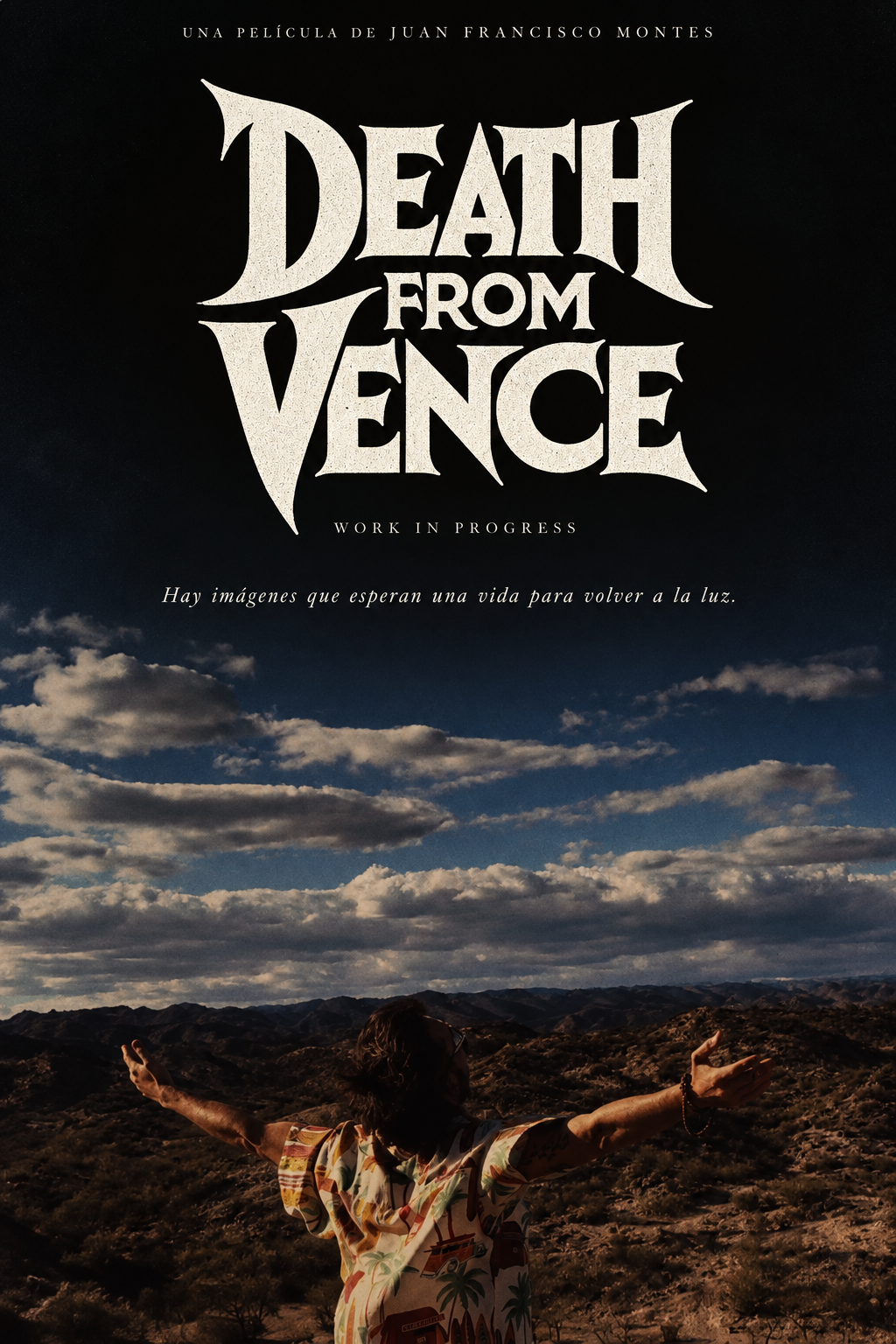 Download poster
Recover the images.
Find a gaze of one’s own.
Facing illness, Natan sets out to recover the films left behind by his father. A journey through the family archive becomes a question about his own life and about what cinema can preserve.
Natan receives an inheritance he does not yet know how to look at: the films, photographs and memories of his father, filmmaker Herman Goransky. In those images, a seemingly remote world persists: the friends, freedom and artistic community of Venice Beach in the seventies. But the archive is incomplete. To bring it back to light, someone must find the reels, listen to those who were there and return to the places where they were filmed.
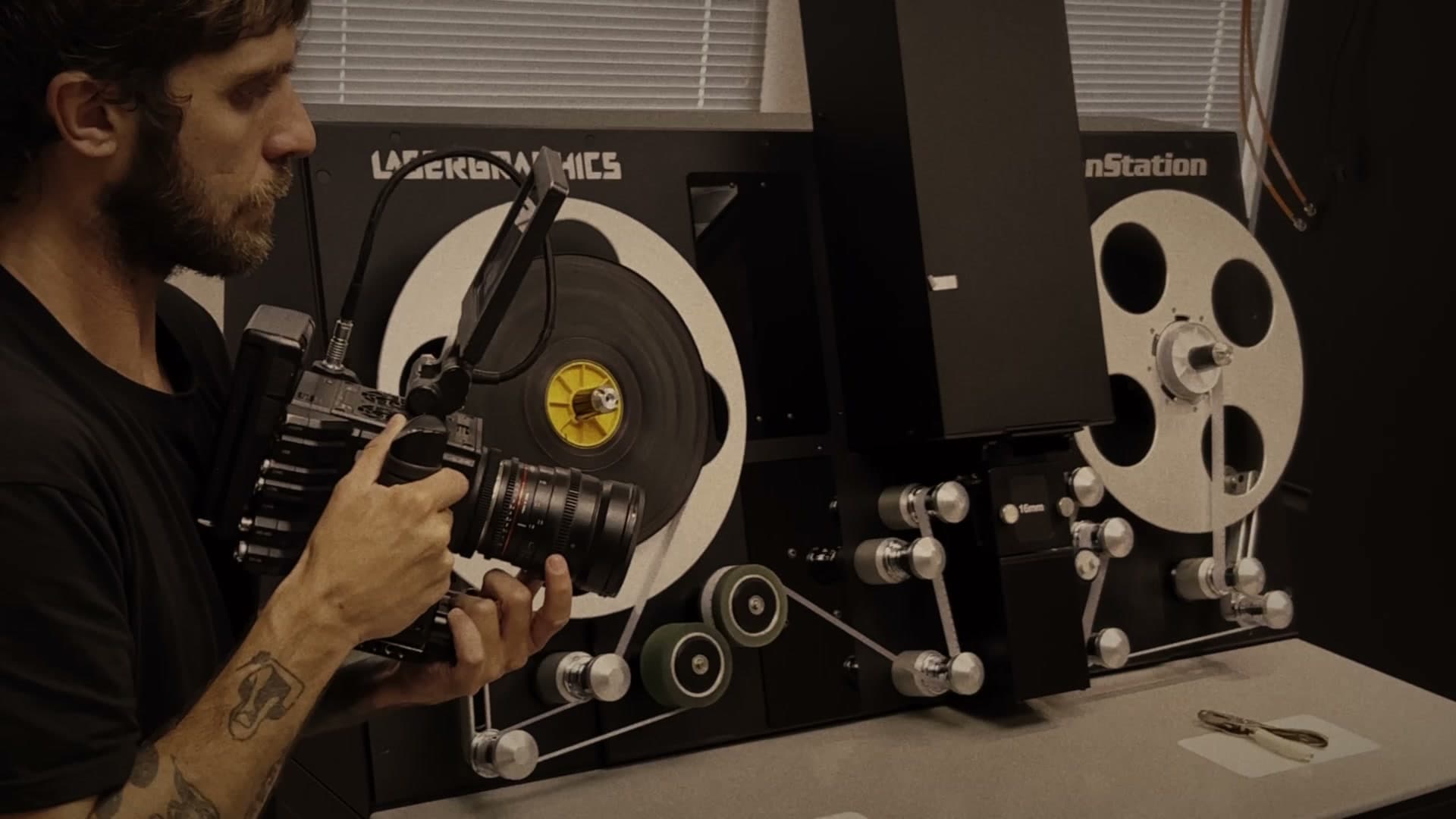
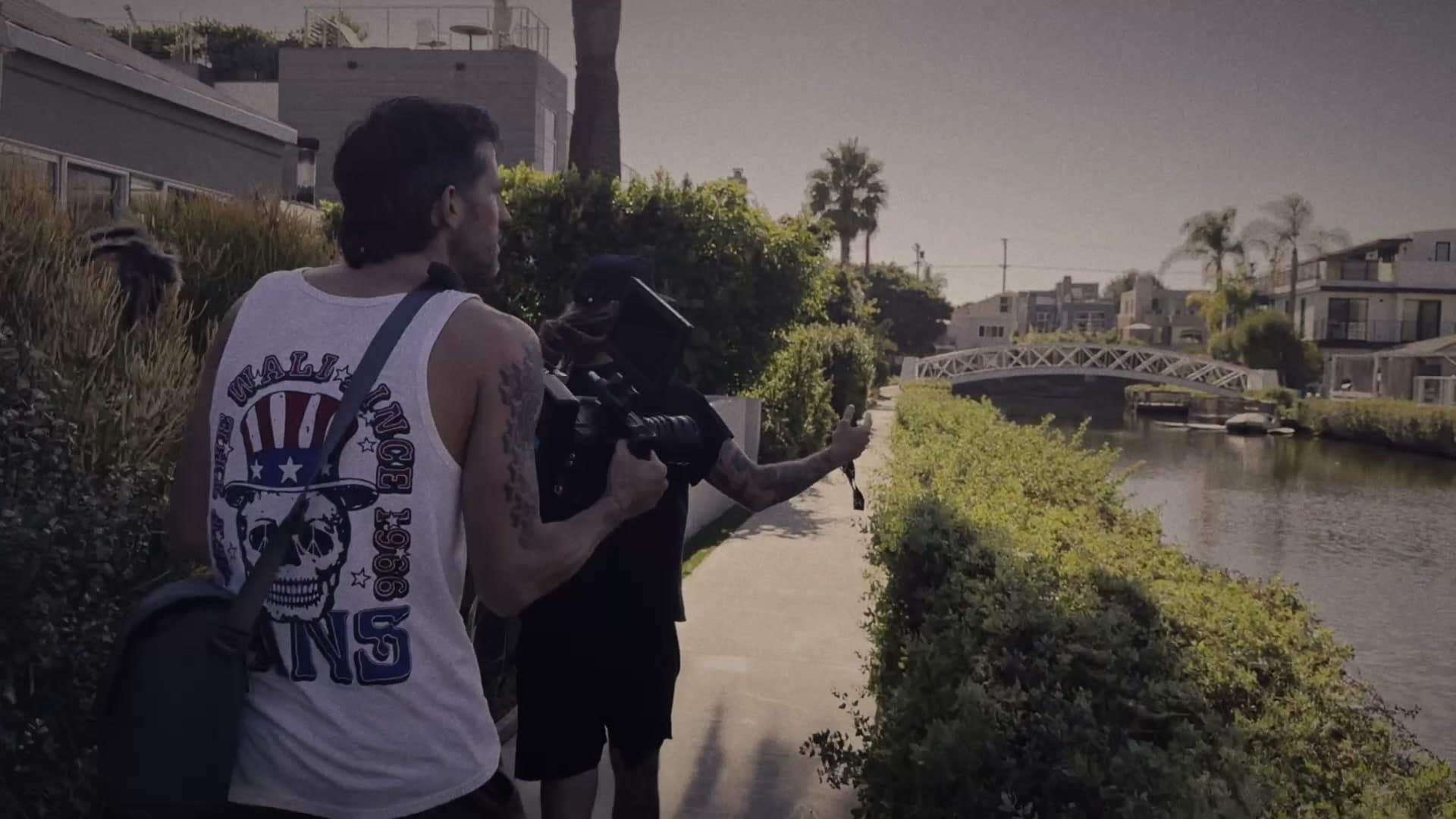
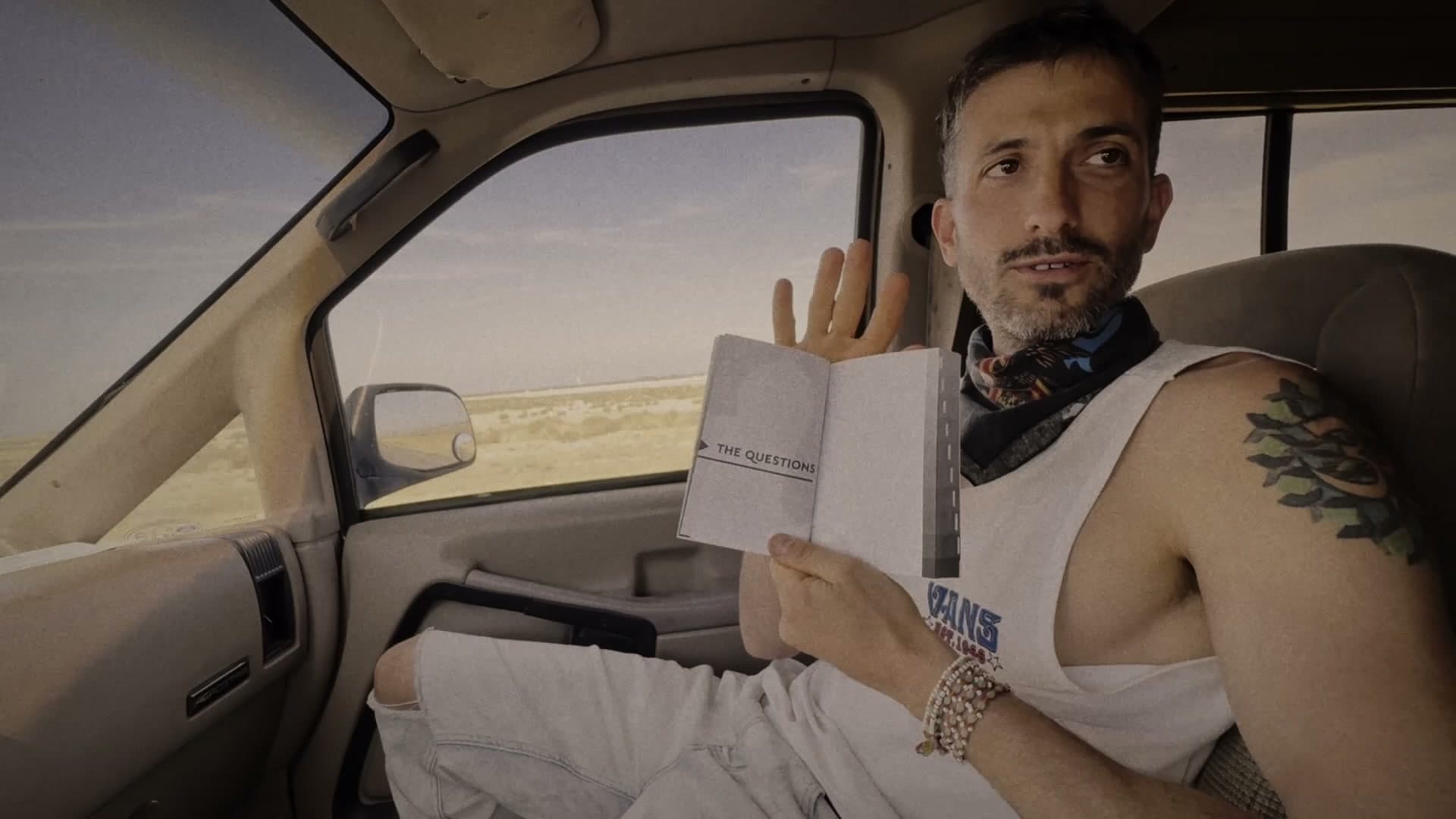
Together with director Juan Francisco Montes, Natan begins a search between Argentina and the United States. Conversations with Herman’s old friends, the recognition of locations and the digitization work open a dialogue between two generations. Each recovered image returns a voice, a gesture, a way of being in the world.
Natan’s illness crosses that journey and makes urgent what began as a cinematic rescue. Death from Venice observes how the desire to complete a work can merge with the need to say goodbye, recognize oneself and keep living. Between intimate record and celluloid memory, the film searches for a place for the father’s images and a gaze of the son’s own.
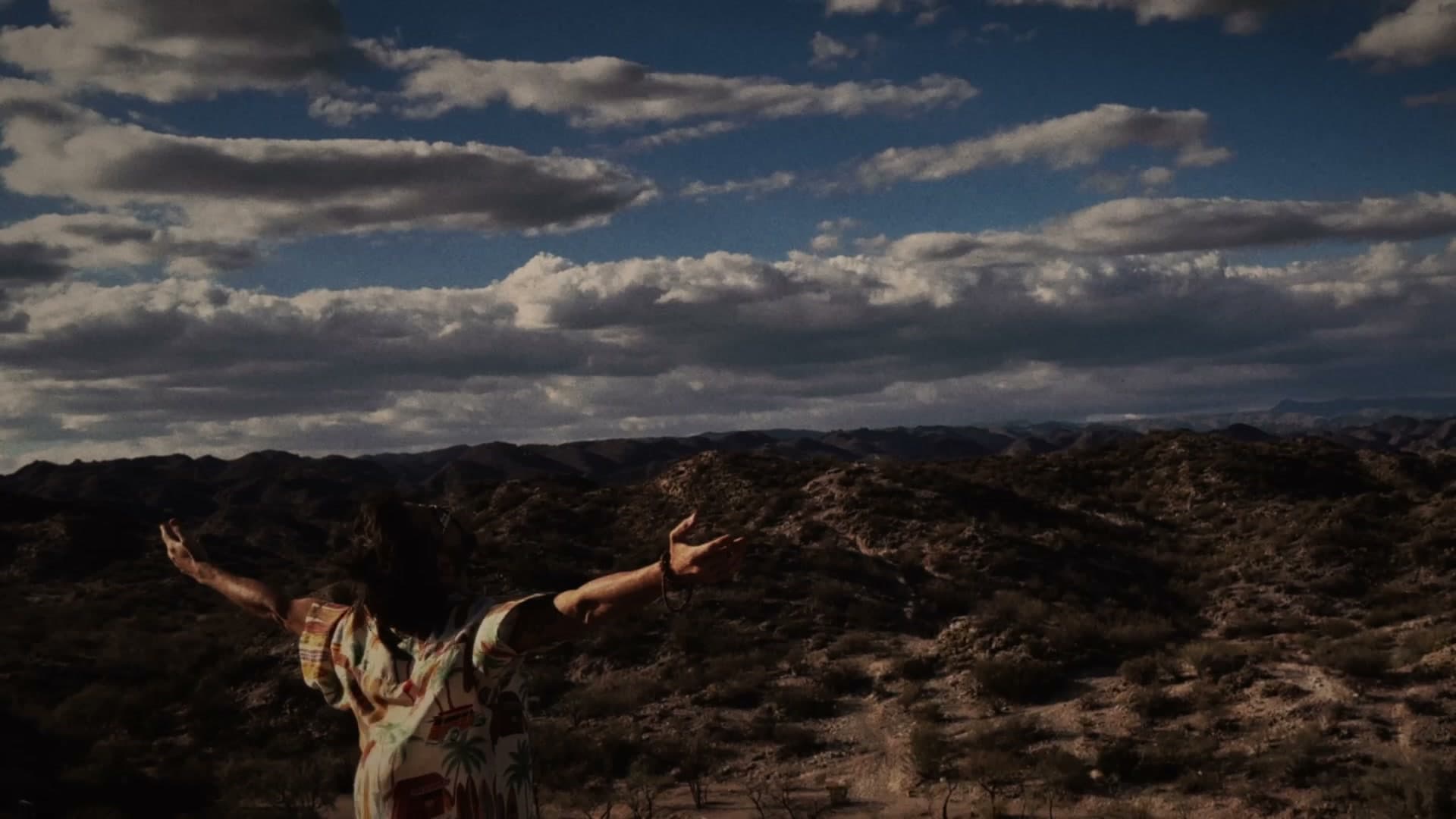
The film, in process.
Presentation copy with the original Natan clip at the beginning, an animated logo opening and a homage epilogue for Herman. The cut is in process; editing, sound and color may still change.
A living memory.
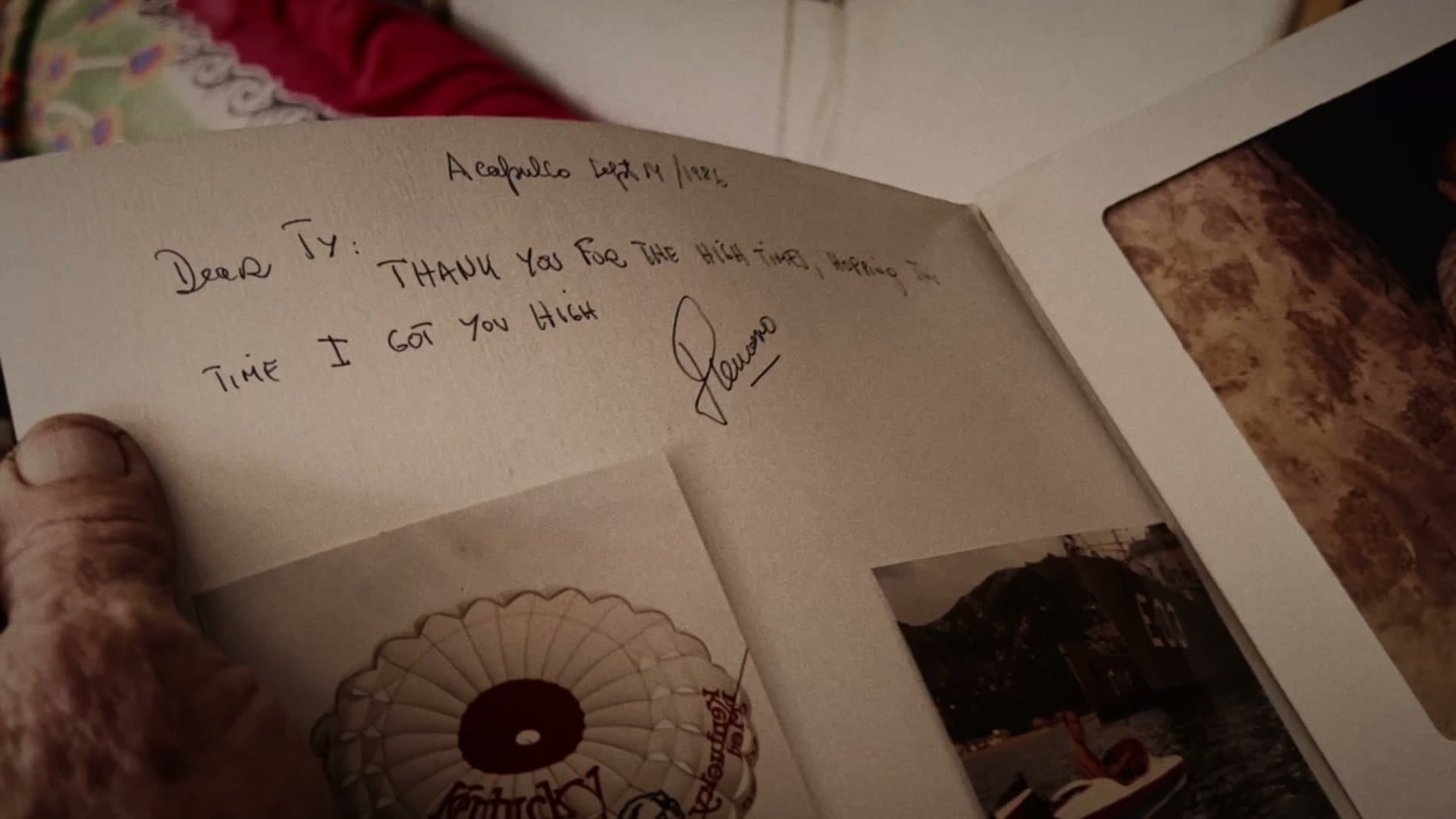
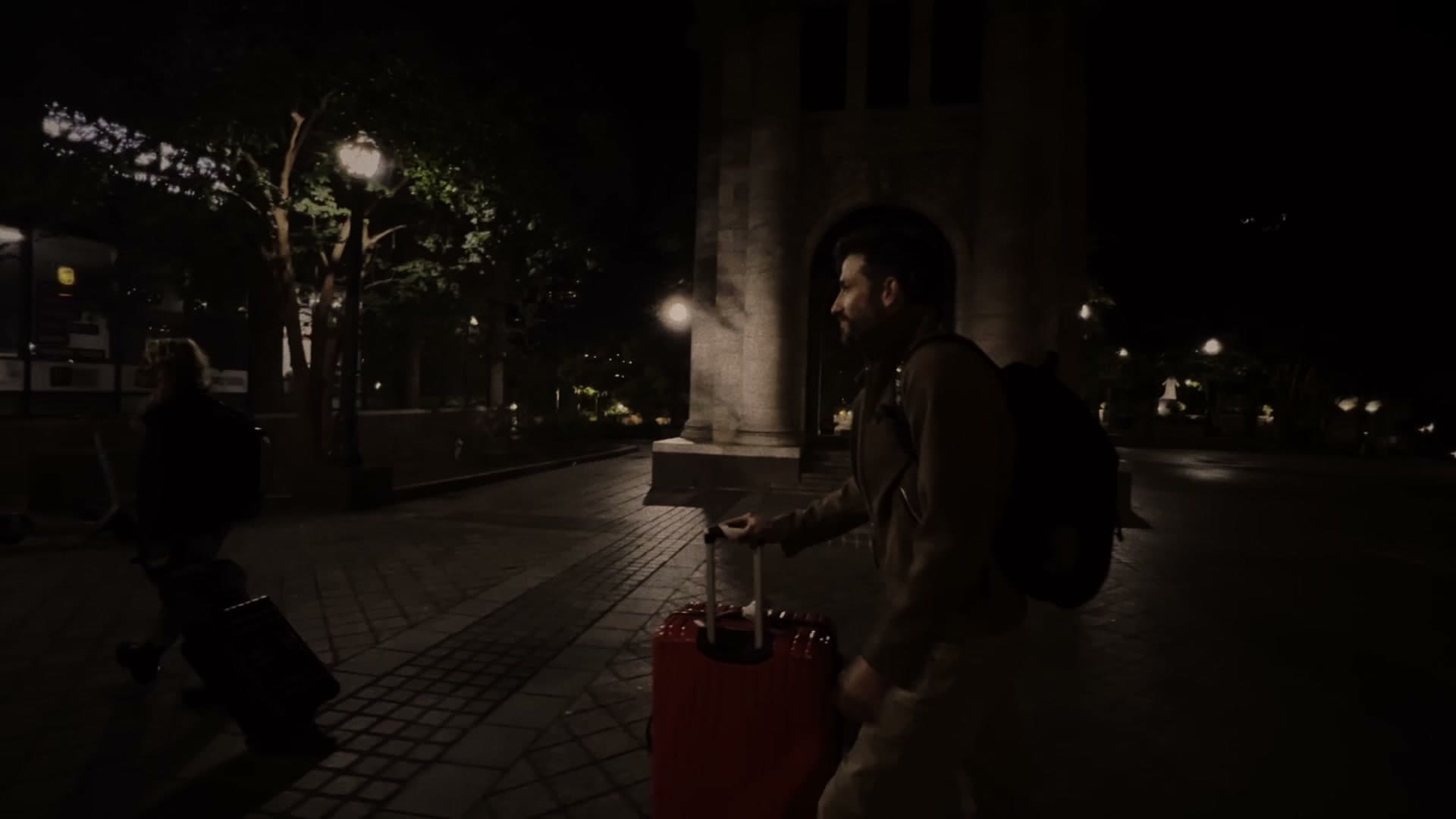
The present is filmed from proximity: conversations, movements, silences and gestures that let the relationship appear between Natan and those accompanying him. The archive does not illustrate a closed story; it opens questions. Analog images and contemporary footage preserve their different textures and times. The edit connects those materials without erasing the distance between Herman’s memory and his son’s experience.
The next step:
finish and share the film.
Editing and conform
Close the structure, review the rhythm and conform the original materials for the final version.
Image and sound
Color correction, archive treatment, dialogue editing, sound design and final mix.
Masters and accessibility
Review translations and subtitles; prepare masters, screening copies and deliverables according to the agreed destinations.
Distribution and launch
Prepare dossier, press kit, trailer and circulation strategy; evaluate festivals, theatrical venues and other circuits with the team.
Let’s talk about finishing it.
We are looking for interlocutors for post-production and distribution. Budget, schedule and conditions will be defined with the team; proposed circulation paths require specific agreements.
The WIP presentation does not open an investment offering. CriptoCine still does not receive contributions or activate payments or commercial streaming.